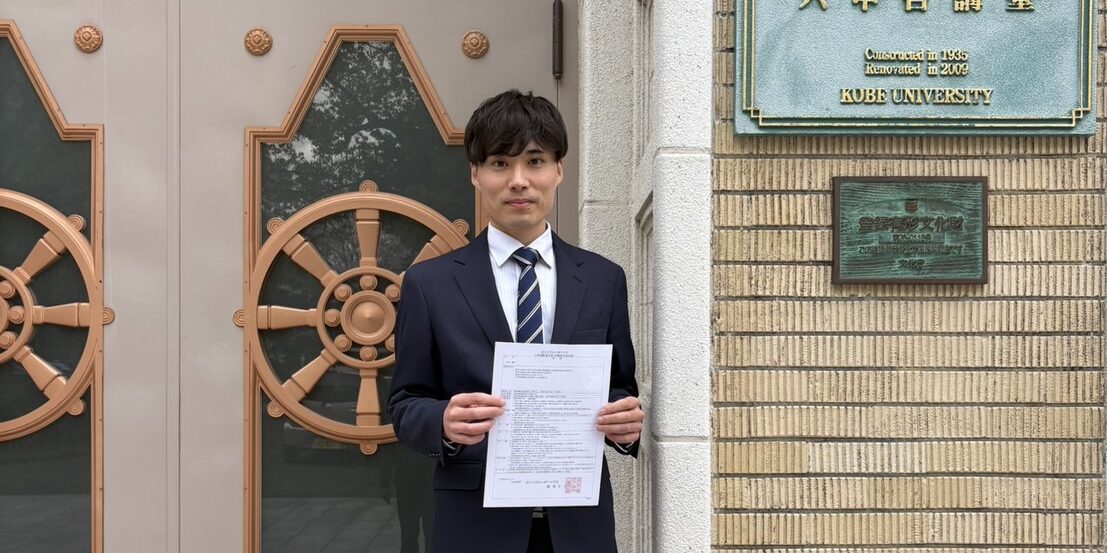
I currently serve as a Project Assistant Professor at the Graduate School of International Cooperation Studies, Kobe University, where I work on the program titled “Global Network Program for Joint Education and Research to Nurture Highly Skilled Professionals Toward Value Co-Creation in International Cooperation” under the International Collaborative Program for Network-Based Graduate School in the Humanities and Social Sciences. This program targets doctoral students and aims to cultivate highly skilled professionals who can lead international cooperation through value co-creation. The Graduate School of International Cooperation Studies (GSICS) and the Graduate School of Intercultural Studies (GICLS) jointly lead the program, collaborating with overseas universities, international organizations, and government institutions in developing countries. As a former participant in this program, I feel a strong sense of responsibility and fulfillment in contributing to it now as a faculty member.
Looking back, my experience in Professor Ogawa’s seminar has shaped the foundation of my current research approach and values. Among many valuable lessons, I would like to highlight three points that left a particularly strong impression on me.
 First, I learned the importance of “enjoying research.” Although research presentations, progress reports, and conference preparations must all be completed within deadlines, these activities serve as means rather than ends. Through my experience in the seminar, I came to understand, particularly through my fieldwork in Malawi, that research is not only about discovering new insights, but also about engaging with and embracing the process itself. In the field, I encountered family relationships, customs, and value systems that could not be fully captured by statistical data or existing studies, which challenged my prior assumptions. Engaging with such unfamiliar realities and continuously refining my understanding represents the true essence of research, and this ongoing process directly informs my current work.
Second, I deeply value having peers with whom I can grow together. Research and professional work never occur in isolation. I rely on colleagues who discuss ideas with me, share challenges, and encourage one another. Professor Ogawa’s seminar provides a uniquely rich environment with strong connections among students across different cohorts and stages of study. Through ongoing discussions with my peers, including my cohort member Dr. Uno, I gained numerous insights and broadened my perspective. This environment, where we continuously inspire each other, has supported my sustained engagement in research.
Third, I adopted the perspective of “not excessively comparing myself with others.” The seminar brings together outstanding individuals with diverse backgrounds, including those with extensive experience in developing countries and international students already working in government institutions. In such an environment, I sometimes found myself comparing my abilities with others and becoming overly conscious of differences. I initially experienced this struggle myself. However, through my time in the seminar, I realized that what truly matters is not comparing myself with others, but rather comparing my present self with my past self and reflecting on how much I have grown. This perspective allows me to recognize the value of small, daily progress and continue moving forward positively. I now see that the person I have become, someone I could not have imagined five years ago when I first enrolled, results from these accumulated efforts.
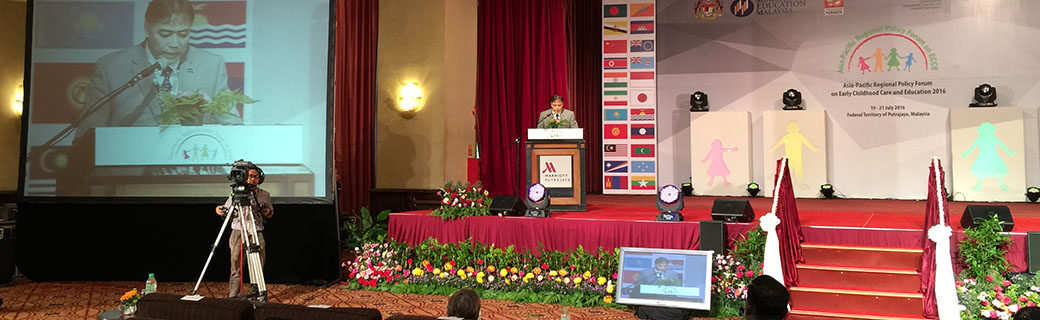
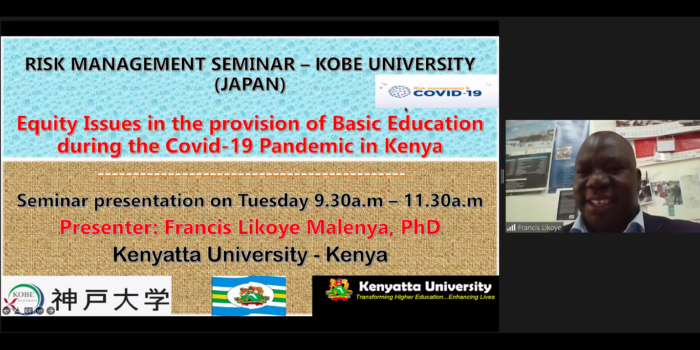
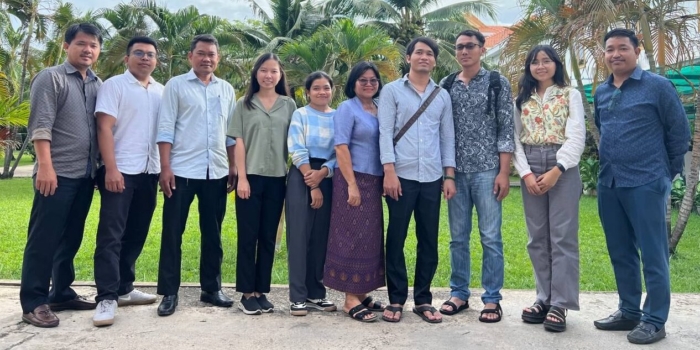
In closing, I would like to express my deepest gratitude to Professor Keiichi Ogawa for his warm and consistently insightful guidance. I greatly appreciate not only his academic mentorship but also the many lessons he has taught me about personal and professional conduct. I also sincerely thank him for providing numerous valuable opportunities, including the double degree program at Fudan University, short-term study program in Laos, internships at UNICEF and the University of Malawi, advanced overseas research in Malawi, student coordination roles at International Education Development Forum (IEDF) and the World Bank Himeji Forum, and participation in the Global Network Program. Furthermore, I would like to extend my heartfelt thanks to all seminar members who have continuously inspired and supported me.
 Finally, to those considering graduate study at GSICS: graduate school offers not only an opportunity to engage in research but also a valuable period to reflect on yourself and explore your future direction. At times, you may face difficulties or feel uncertain. However, through interactions with your supervisors and peers, you will discover new perspectives and possibilities. The experiences and connections you build each day will undoubtedly become valuable assets. I encourage you to take the first step forward while staying true to your own interests.
Yudai Ishii
Project Assistant Professor,
Graduate School of International Cooperation Studies, Kobe University
Related