Internship at UNESCO Beijing Office (Xiaoxiao JIA)
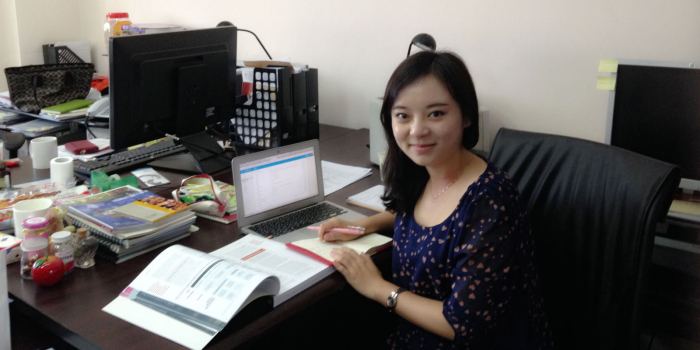
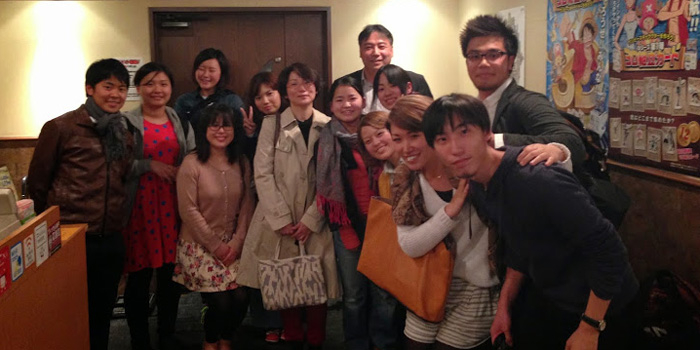
I worked as an intern at UNESCO Beijing Office from July 27th until October 27th. During the period of my internship, I assisted the program specialist as well as my...
Graduate School of International Cooperation Studies (GSICS), Kobe University
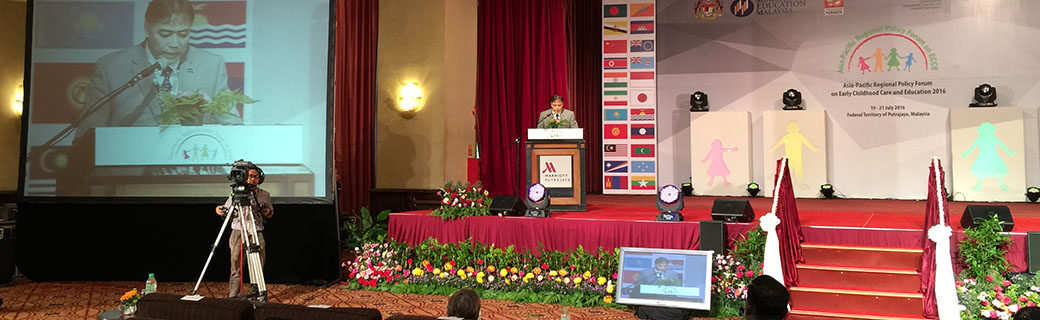
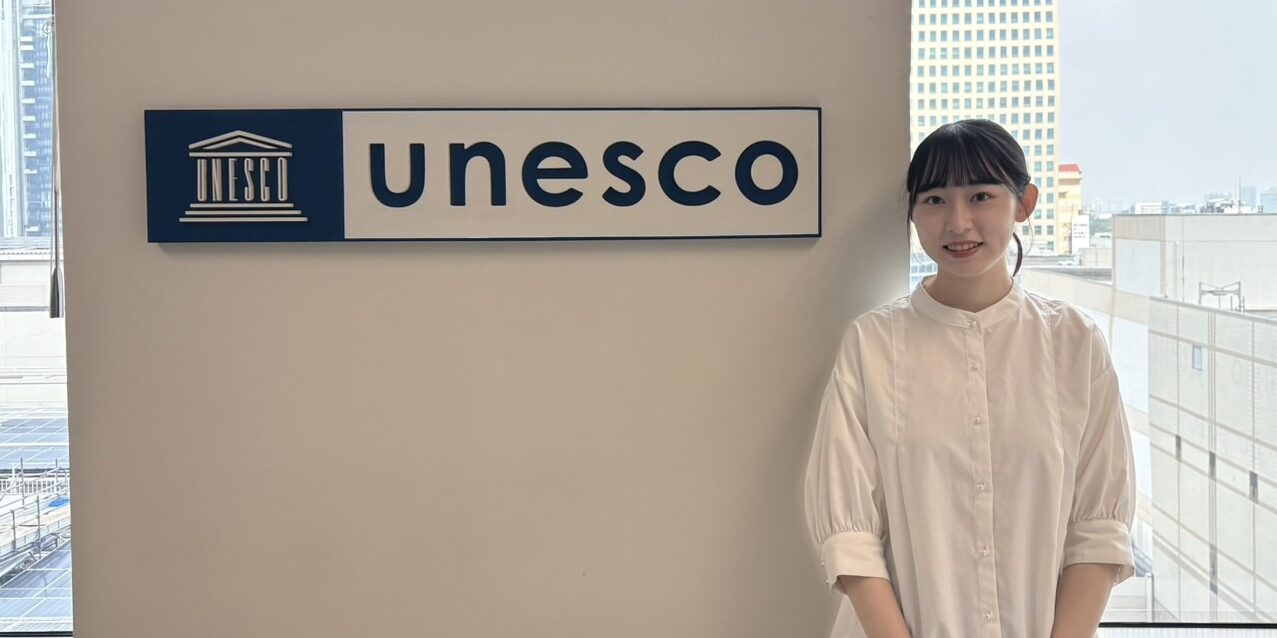
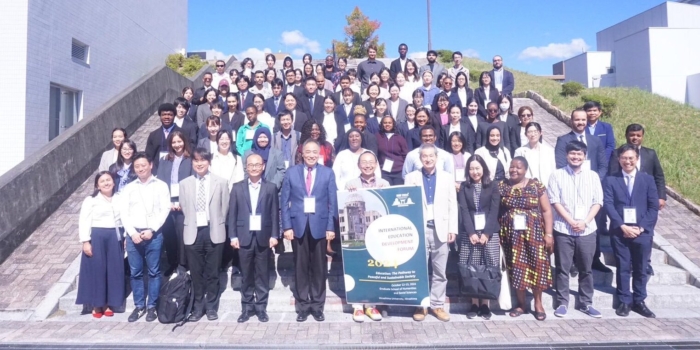
From 17 November 2025 to 15 May 2026, I participated in a six-month traineeship programme at the UNESCO Regional Office in Jakarta. The UNESCO traineeship programme is jointly organized by UNESCO and the Ministry of Education, Culture, Sports, Science and Technology of Japan (Japanese National Commission for UNESCO). The programme aims to promote understanding of UNESCO’s activities, foster globally minded professionals including future international civil servants, and contribute to regional revitalization through UNESCO-related initiatives. Students enrolled at universities designated as UNITWIN/UNESCO Chairs are eligible to undertake traineeships at UNESCO Headquarters or regional offices for periods ranging from six months to one year upon nomination by their universities.
Since its establishment, the Jakarta Office served for 55 years as the Asia-Pacific Regional Office for Natural Sciences. Since 2023, it has also functioned as a regional office covering five Southeast Asian countries: Indonesia, Brunei, Malaysia, the Philippines, and Timor-Leste.
During the traineeship, I was assigned to the Education Sector and worked on several projects related to technical and vocational education and training (TVET) in Southeast Asia. In particular, I contributed to projects aimed at strengthening digital skills education in vocational high schools, supporting skills policy development through the use of labour market information, and improving TVET systems through regional workshops. Through these activities, I was involved in drafting project documents, concept notes, and presentation materials, organizing background information, and participating in meetings with relevant stakeholders. I also contributed to the planning of a research project on generative AI and entrepreneurship, as well as to work related to organizing and visualizing TVET systems across countries.
This traineeship allowed me to look at vocational education from perspectives different from those of my usual academic research. While research often focuses on examining a specific topic in depth, practical work requires broader perspectives that take into account policy direction, stakeholder coordination, funding opportunities, and implementation feasibility. In addition, living for half a year in the country where I conduct my research enabled me to gain a deeper understanding of the social atmosphere and everyday realities that are often difficult to capture through literature and data alone.
Lastly, I would like to express my sincere gratitude to Dr. Hiromichi Katayama, Programme Specialist for Education at the UNESCO Regional Office in Jakarta, and to all members of the office for providing me with this valuable opportunity. I am also deeply grateful to the Japan Educational Exchanges and Services (JEES) and the Kobe University SPRING Programme for their financial support, to Professor Keiichi Ogawa for supporting me throughout the application and participation process, and to everyone who supported me during this traineeship.
Authored by Noa Yokogawa (Doctoral student)