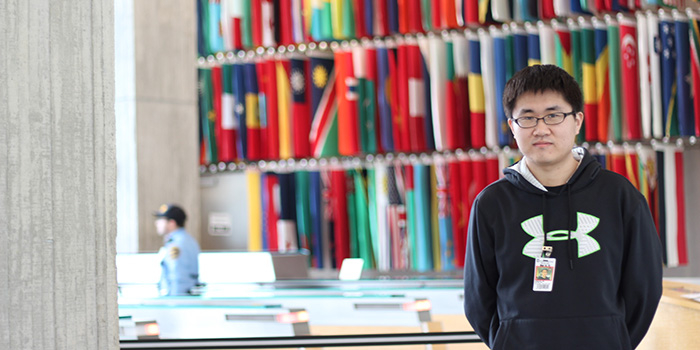
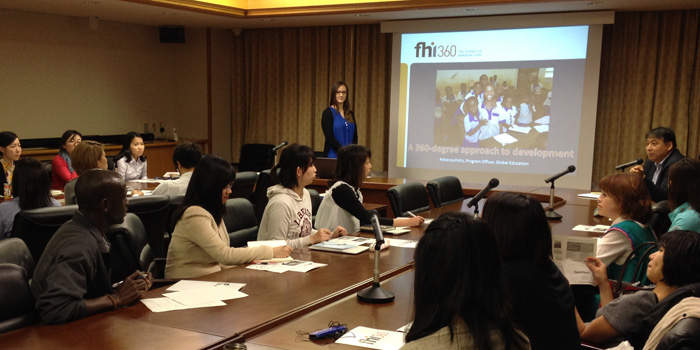
Field Study in Washington, D.C. (Jingyuan MA)
From 9 March, 2015 to 20 March 2015, I participated in the 59th annual conference of the Comparative and International Education Society (CIES 2015), and the field study conducted by...
Graduate School of International Cooperation Studies (GSICS), Kobe University
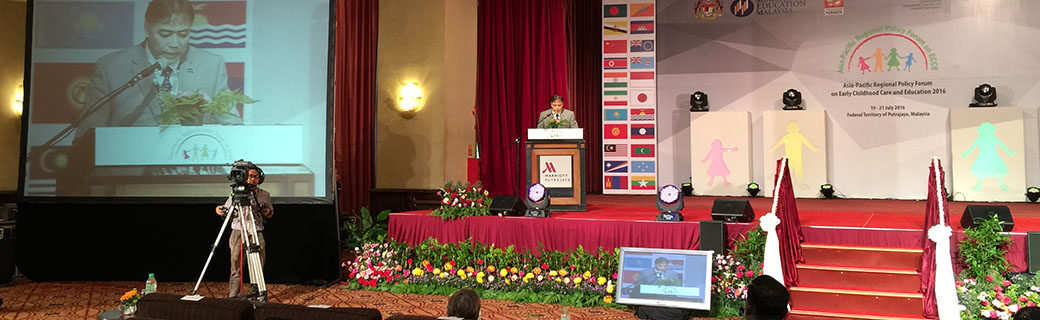
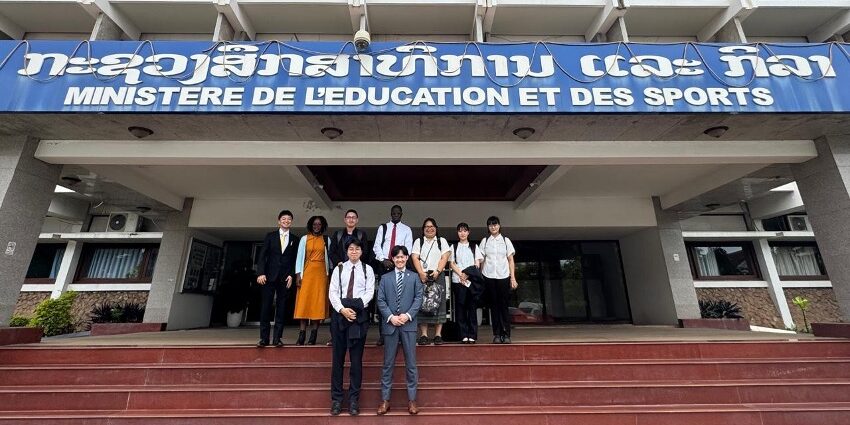
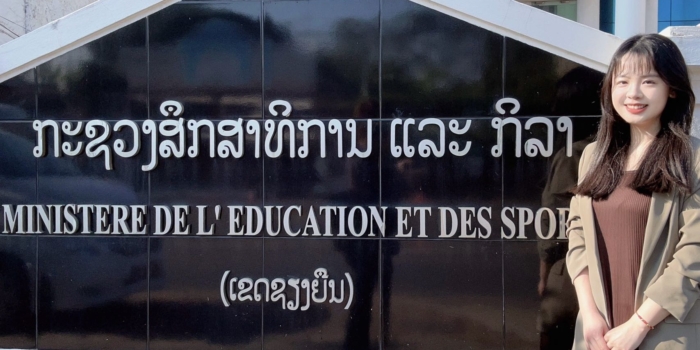
From August 17 to September 15, 2025, I visited the Lao People’s Democratic Republic as a researcher rather than as a tourist. This trip was part of a short-term internship offered by Campus Asia, under the GNP program. In this trip, professors from Kobe University, Graduate School of International Cooperation and Studies (GSICS), including Dr. Masato Nakahara, Ms. Mikiko Osaka, Dr. Ayumi Yagi, and Dr. Tatsuya Maisawa, chaperoned the group of eight graduate students (Cover picture).
 In the first week of the program, I attended intensive classes at the National University of Laos, where professors and graduate students shared research on the country’s socioeconomic development, broadening my understanding of Lao education and its socioeconomic challenges. Besides attending intensive classes, I presented a section of my Ph.D. dissertation proposal titled “Formative Program Evaluation in In-Service Teacher Training: Technology for Data Collection and Analysis”, at the Campus Asia Plus Symposium. This experience improved my communication skills in an international environment and deepened my understanding of my topic from the perspectives of other researchers.
During the second and third weeks, I visited various Ministry of Education and Sports advisory boarding institutions, where I asked questions about the Lao open-source ICT national Education Management Information System utilized for data collection.
 Here, I visited the Department of Higher Education, Early Childhood Education, the Department of Statistics, and others. These activities, organized and coordinated by the GSICS alumni, Your Excellency, Mr. Anoupheng Keovongsa, deepened my understanding of the nationally and locally collected data and analysis system on government effectiveness.
I also visited various international organizations, such as the World Bank, JICA, UNICEF, and ADB. Here, I understood how co-creation partnerships between the government and international organizations align national policies to promote government effectiveness, particularly in education and economic sectors.

 For instance, UNICEF helped develop the ICT platform Khang Panya Lao to provide teaching and learning resources that reinforce Lao language instruction, extend education to ethnic minority students, and support the local economy. JICA, the World Bank, and ADB finance educational programs to build government capacity for achieving these goals.
In the last week, I visited several K-12 schools. I interviewed principals and teachers about their daily activities and how ICT supports them in identifying challenges in teaching (Bottom pictures). I learned that public schools located in suburban areas face difficulties accessing ICT tools for data collection and analysis. To overcome this challenge, the Districts Education and Sports Bureau support schools in accessing the information through paper-based resources. Then the district themselves sends the digital version of these data to the Ministry of Education and Sports.

 I also visited classrooms. I engaged in conversations with students who are learning English and Japanese. It was interesting to understand how the Lao PDR classroom setup works and the types of instructional strategies teachers use to engage students in active learning.
Thank you, Campus Asia, my supervisor Professor Keiichi Ogawa, and Lao PDR GSICS alumni for the opportunity to travel to this Southeast Asian country and its culture.
Authored by Nadia de Abreu Bengo (Doctoral Student)