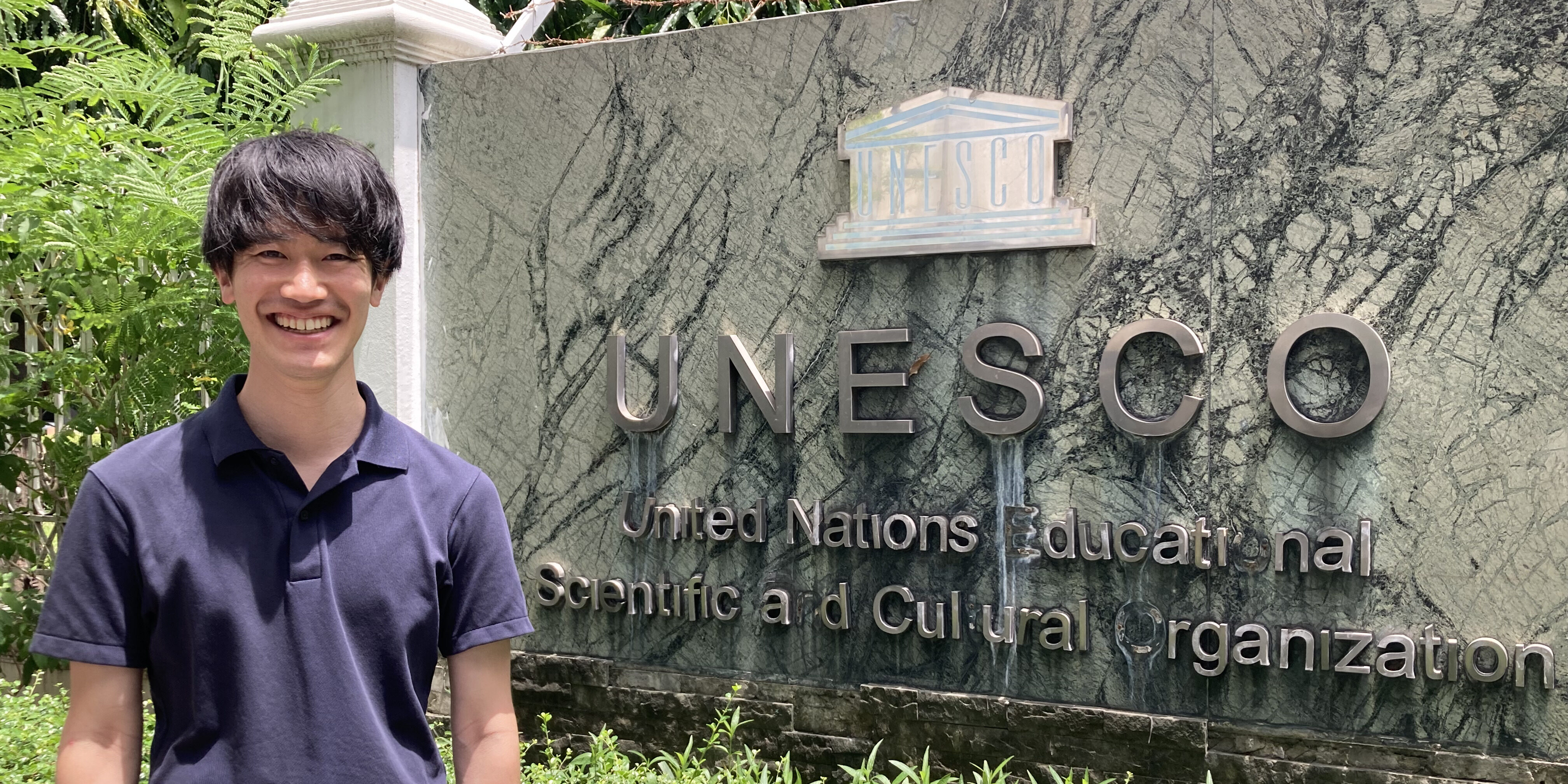
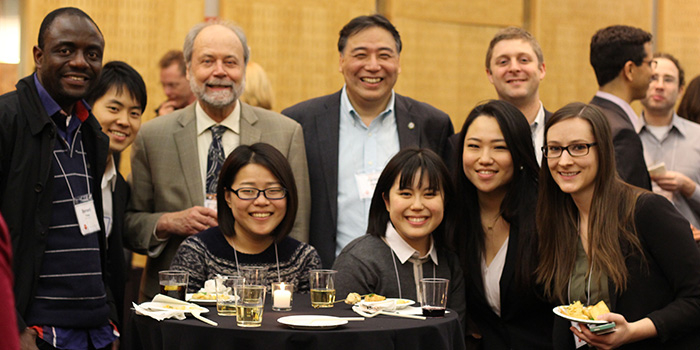
From May 26 to December 31, 2025, I undertook a traineeship at the UNESCO Regional Office in Bangkok, Thailand, under the supervision of Dr. Khan Faryal (Programme Specialist for Education). The UNESCO Traineeship Programme is jointly implemented by the Ministry of Education, Culture, Sports, Science and Technology of Japan (Japanese National Commission for UNESCO) and UNESCO, starting in FY2024, with the aim of strengthening UNESCO activities. During the programme period, I mainly engaged in work related to three areas: (1) Education for Sustainable Development (ESD), (2) Global Citizenship Education (GCED), and (3) the management of the learning assessment network in the Asia-Pacific region. Through these activities, I gained a multifaceted understanding of how education policies are formulated and implemented across the Asia-Pacific region.
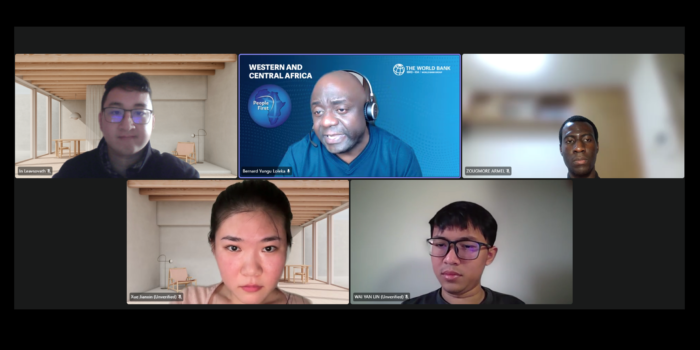
In the ESD area, I mainly supported the implementation of the ESD Country Initiative (ESD for 2030). My responsibilities included organizing policy documents and implementation plans from member states related to the achievement of SDG Target 4.7, as well as collecting and conducting preliminary analyses of progress information. I reviewed reports submitted by member states and assisted in preparing summary materials that identified common challenges and good practices. I also supported the preparation of briefing materials for internal meetings and online consultations with member states, drafted meeting minutes, and coordinated with relevant units. Through this work, I deepened my understanding of the concrete processes through which global education goals are translated into national policies and practices.
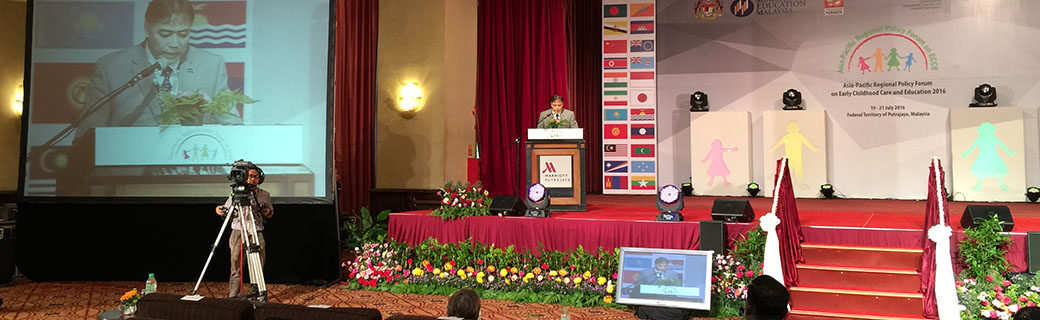
For GCED, I supported the operation of the Asia-Pacific Regional GCED Network. My tasks included coordinating communication with member institutions, assisting in drafting meeting agendas, and compiling presentation materials. In particular, during the annual meeting, I experienced the full cycle of international conference management, including advance coordination with speakers, participant management, and on-site operational support. I also assisted in the planning and implementation of the GCED Webinar Series, where my responsibilities included supporting theme development, coordinating with potential speakers, drafting promotional text, and assisting with technical operations. Furthermore, I contributed to the publication process of the GCED Teacher Guide by working on manuscript organization, reference checking, and English proofreading support, which allowed me to learn how educational materials for practitioners are developed and finalized.
Regarding the learning assessment network in the Asia-Pacific region, I supported the preparation and on-site management of the Network on Education Quality Monitoring in the Asia-Pacific (NEQMAP) annual meeting held in August 2025. My responsibilities included organizing presentation materials, coordinating with participants, and preparing meeting records. I also worked on a regional publication that compiled advanced practices in learning assessment, where I helped organize country case studies, review logical structure, and refine English expressions. These experiences enabled me to systematically understand practical developments in national assessment reforms and the design and use of learning assessments across countries.
Through this internship, I gained hands-on experience in policy coordination, network management, and knowledge synthesis and dissemination across the interconnected fields of ESD, GCED, and learning assessment. The experience also highlighted the importance of multi-stakeholder collaboration within international organizations and the significance of regional-level policy dialogue.
Finally, I would like to express my sincere gratitude to Dr. Khan Faryal for granting me this valuable internship opportunity and for her supervision. I am also deeply thankful to all staff members at the UNESCO Bangkok Office for their extensive support during my placement, and to the Japan Educational Exchanges and Services (JEES) Foundation and Kobe University’s Global Network Program (GNP) for their financial support in implementing this traineeship programme. Furthermore, I would like to extend my heartfelt appreciation to Professor Keiichi Ogawa for his continuous academic guidance.

Authored by Takumi Koike (Doctoral Student)
Related