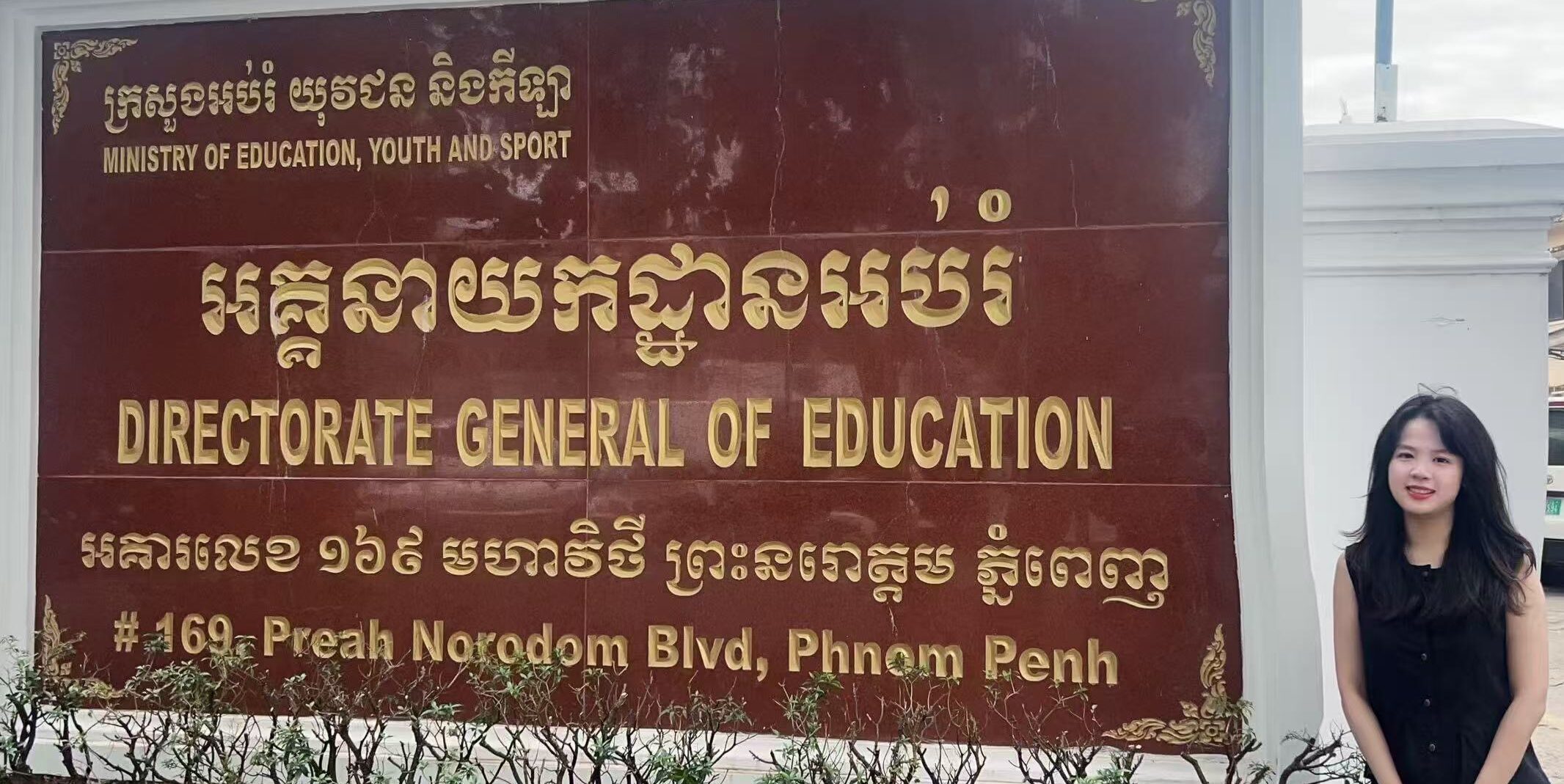
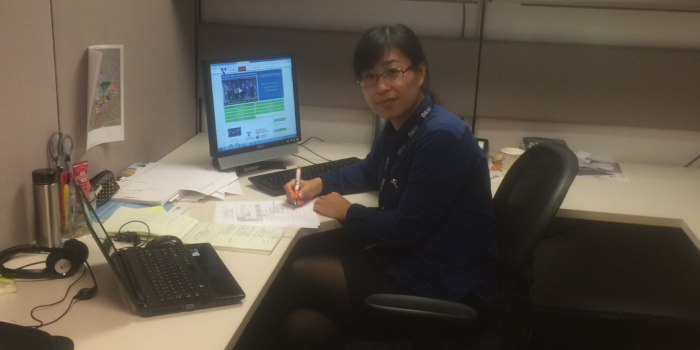
From 5 March to 30 March 2026, I completed a field-based research internship in Cambodia under the guidance of Dr. Lim Sothea, Director General of the Department of Policy and Planning at the Ministry of Education, Youth and Sport (MoEYS). This internship formed an integral part of my doctoral research, which examines the relationship between family socioeconomic background, intercultural environment, and academic achievement in primary education in Cambodia. The primary objective of this fieldwork was to collect first-hand empirical data to support both quantitative and qualitative analyses.
With the coordination and support of MoEYS, I conducted field research across six primary schools in Phnom Penh, including three private schools and three public schools, in order to capture variation across different institutional settings. This selection provided a comparative perspective on how school type may shape students’ learning environments and outcomes.
The core component of my internship was the implementation of structured data collection. Questionnaire surveys were administered to both teachers and students, resulting in a total sample of 60 teachers and 120 students. The surveys were designed to capture key variables related to students’ home backgrounds, language use, and learning experiences, as well as teachers’ instructional practices and perceptions of student performance. In addition, semi-structured interviews were conducted with teachers and school principals to gain deeper insights into school-level practices, language policies, and challenges in classroom implementation.
To complement the survey and interview data, I conducted on-site observations in each school. These observations focused on classroom interactions, patterns of language use during instruction, and the overall teaching and learning environment. This mixed-methods approach enabled a more nuanced understanding of how sociolinguistic and socioeconomic factors operate within different school contexts.
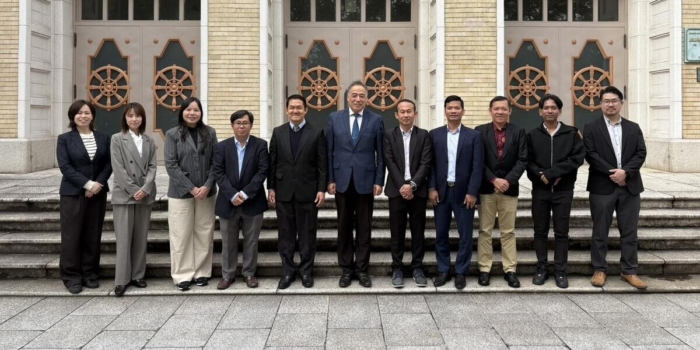
Beyond data collection, this internship provided valuable exposure to the policy and administrative context of Cambodia’s education system. Through interactions with MoEYS officials and school practitioners, I gained a deeper understanding of current policy priorities, particularly in relation to educational equity, language use, and learning outcomes. These experiences helped strengthen the policy relevance of my doctoral research and refined its analytical framework.
Overall, this internship was a critical stage in my doctoral training, allowing me to connect theoretical inquiry with empirical fieldwork. It enhanced my capacity to design and implement field-based research in a multilingual context and strengthened my ability to engage with diverse stakeholders in international education development settings.
I would like to express my sincere gratitude to Dr. Lim Sothea for his generous guidance and support throughout this internship. I am also deeply thankful to the officials of MoEYS, as well as the participating schools, teachers, and students, for their cooperation. Last but not least, I would like to extend my heartfelt appreciation to Professor Keiichi Ogawa for his continuous mentorship and support, which have been invaluable to my academic and professional development.
Authored by Jiling Yao (Doctoral student)
Related