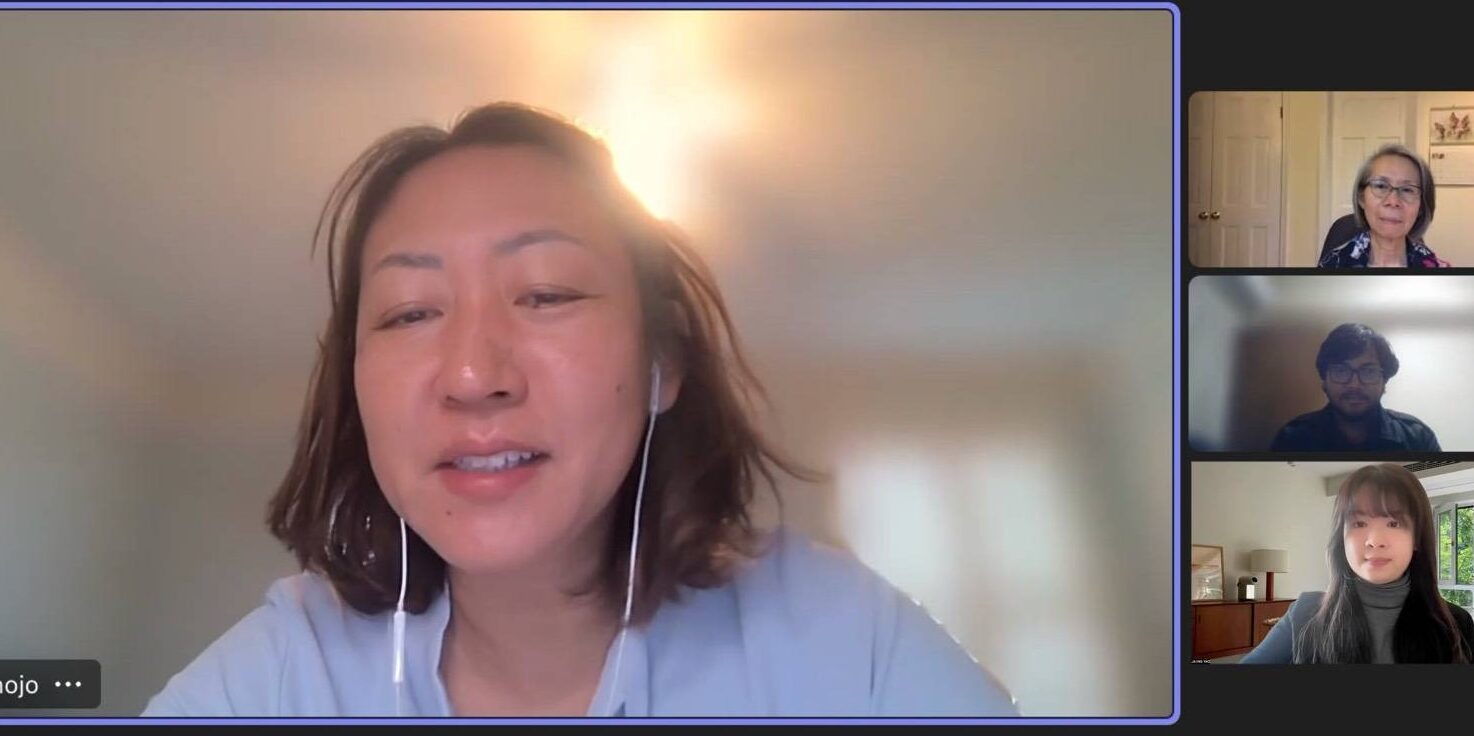
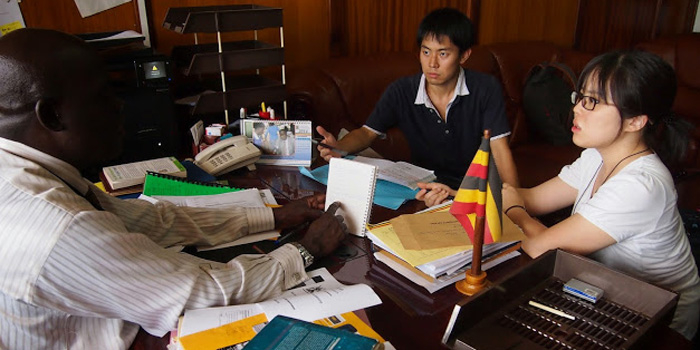
From March 18 to May 31, 2025, I completed an online internship at the World Bank under the mentorship of Dr. Mari Shojo, Senior Education Specialist with the Education Global Practice of the World Bank. This experience offered me a meaningful opportunity to engage directly with policy-oriented research in international education development. During the internship, I contributed to several core projects focused on technical and vocational education and training policy development in Tanzania (Mainland), as well as education financing and World Bank 2025 Education Public Expenditure Review (PER) of Tanzania (Mainland). During this w ork, I also had the opportunity to collaborate on the PER with Dr. Jee-Peng Tan, an Education Advisor (retired) in the Human Development Network of the World Bank, which significantly enriched my understanding of education financing and skills development policy. Through this internship, I gained first-hand insight into how empirical evidence, data analysis, and policy dialogue come together to inform decision-making within a global development institution.
My responsibilities centred on research, analysis, and documentation. I conducted in-depth reviews of successful TVET programs in secondary level across different country contexts, drawing on academic studies and policy reports while analysing secondary data using different statistical tools. This process allowed me to identify key patterns, implementation challenges, and success factors in TVET systems, which contributed to emerging policy discussions and recommendations for Tanzania (Mainland). Alongside research work, I actively participated in meetings with internal teams and external partners, including representatives from UNICEF, UNESCO, and the World Bank. I was responsible for taking detailed notes, synthesizing discussions, and preparing internal summaries, which strengthened my ability to translate complex technical conversations into clear and usable outputs.
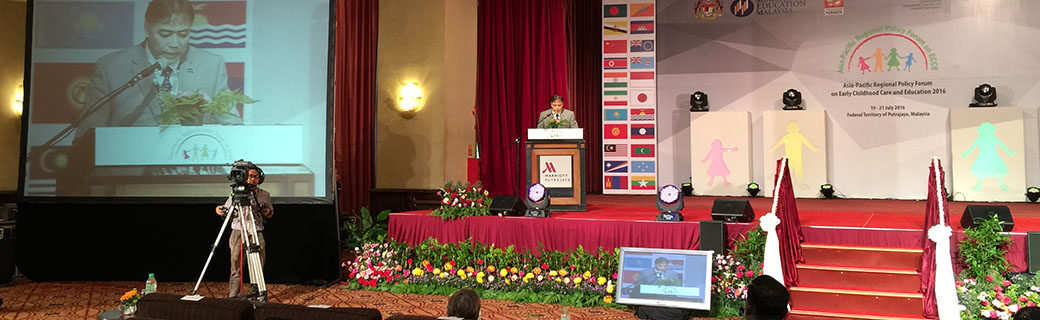
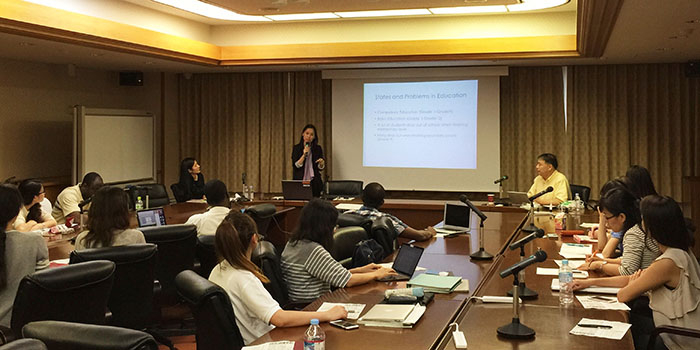
Throughout the internship, I attended several high-level World Bank seminars and coordination meetings that broadened my understanding of global education challenges. These included the Sudan Local Education Group (LEG) meeting, where discussions focused on education system constraints, financing gaps, and coordination among development partners. I also participated in the 4th Learning to Empower Adolescent Girls at Scale (LEAS) Seminar, co-led by the World Bank’s Gender Group and Education Global Department on educational equity for adolescent boys, which addressed learning gaps, gender disparities, and evidence-based interventions to improve academic outcomes. I also attended a World Bank seminar on the political economy of education, where analytical frameworks combining economics and political science were presented to examine how education systems influence social and economic change.
A substantial portion of my work involved report writing and document review. I contributed to the drafting and review of sections of the PER for Tanzania (Mainland), an experience that refined my ability to communicate technical analysis in a concise and policy-relevant manner. I also drafted a report on global TVET practices within secondary education, offering context-sensitive suggestions for adapting international approaches to the Tanzanian setting. These tasks strengthened both my analytical writing skills and my understanding of education finance.
Reflecting on this experience, the internship played a crucial role in my academic and professional growth. It allowed me to apply theoretical knowledge to real policy challenges while deepening my understanding of the economics of education and public finance. I learned the importance of balancing technical rigor with clear communication, as well as the value of adaptability in a fast-paced, collaborative environment. Most importantly, the internship reinforced my aspiration to pursue a career in international education and development. The skills, insights, and professional relationships developed during this period will continue to shape my future work and academic trajectory.
I am deeply grateful to the Professor Keiichi Ogawa for his invaluable support, as his training equipped me with the essential skills to undertake this internship. I sincerely appreciate Dr. Mari Shojo for her excellent mentorship and guidance throughout these months, as well as my colleague, Ms. Yao Jiling, for the insightful exchanges and mutual learning we shared during the internship. Looking ahead, I remain committed to contributing to the field of international education development.
Authored by Md Efrat Jahan Bhuiyan Shafin (Master’s Student)
Related