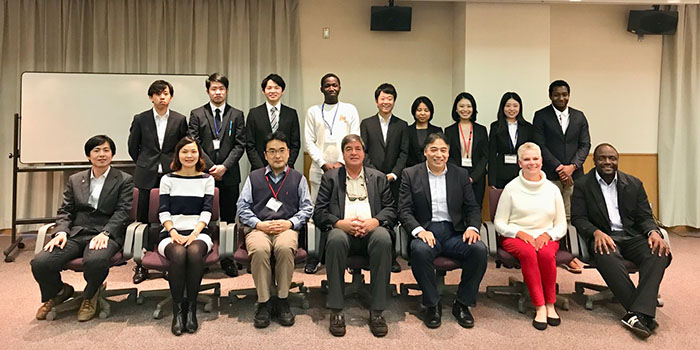
My internship at Bonum Education Ltd., held at Cogito Kindergarten in Fukui City, Japan, from July 28 to August 8, 2025, was a vital component of my graduate studies. As someone deeply invested in education reforms in Africa, especially in Senegal, I aimed to gather practical insights into early childhood education models, school governance, and the integration of sustainability and environmental awareness into learning systems. The internship provided full immersion into the Japanese early childhood education context and a firsthand look at internationally inspired pedagogies, such as the Primary Years Program (PYP) approach.
My main goals were to understand the pedagogical frameworks used in Japanese kindergartens and how international models are adapted locally; to observe daily operations and management strategies in a private kindergarten; to assess how environmental education and sustainable development principles are integrated into early learning; to identify transferable practices that could benefit early childhood education development in Senegal; and to explore possible academic and professional bridges between Japan and Senegal in this field.
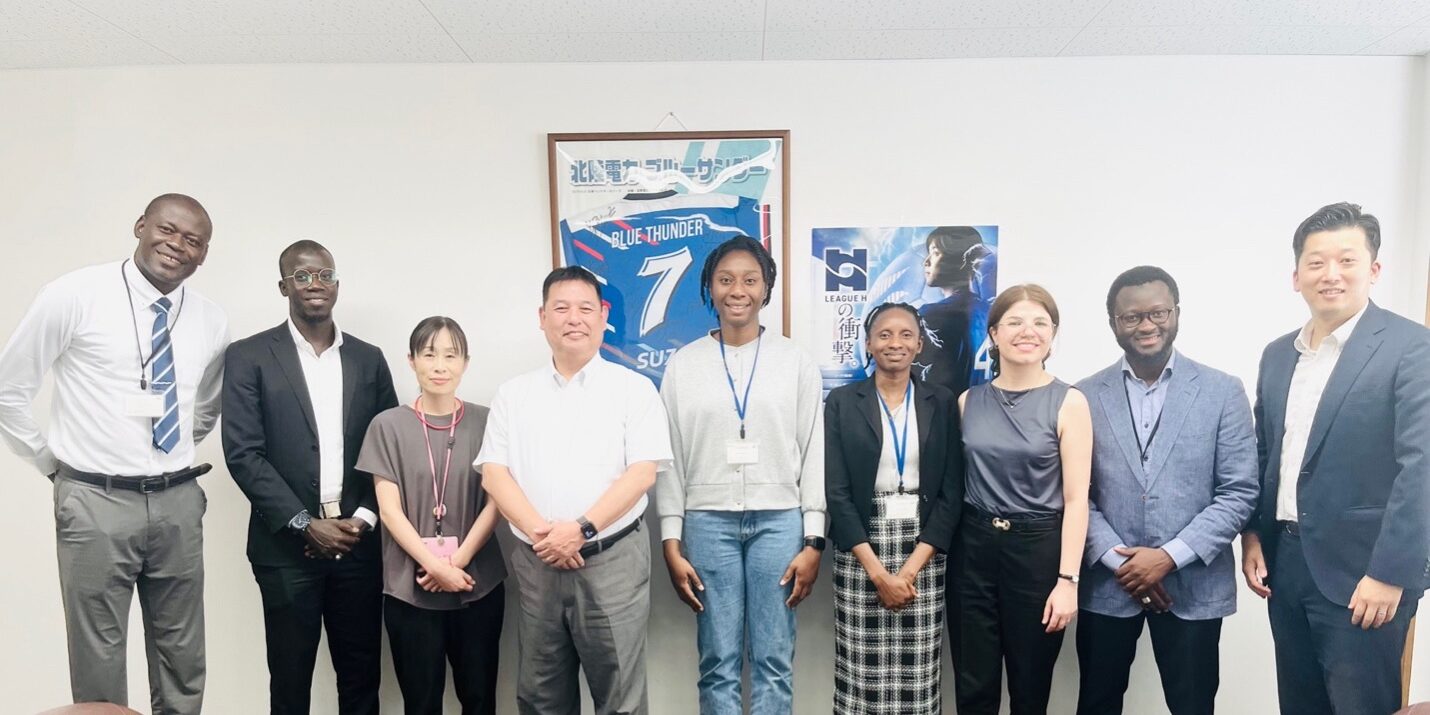
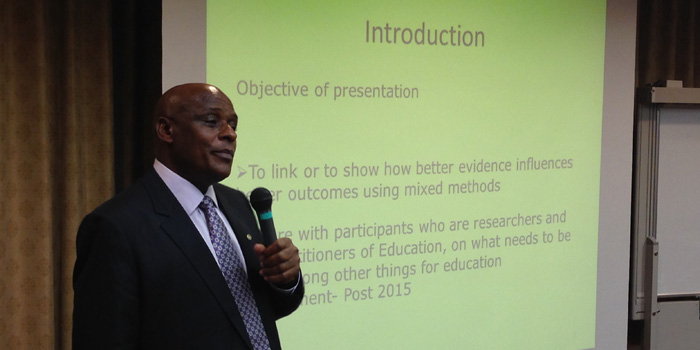
During the two weeks, I participated in a structured program combining theory, practice, and reflection. I began with an induction seminar led by Mr. Yuhei Fujita, which introduced Bonum Education’s philosophy centered on inquiry-based learning. I then conducted pedagogical research on the PYP curriculum, examining its objectives and implementation in the learning environment. Building on this, I designed a seven-week lesson plan for Grade 6 students under the transdisciplinary theme “Sharing the Planet,” with the central idea that electricity generation involves energy transformations that impact ecosystems and human lives. I also observed classroom activities, noting the balance between autonomy and discipline in children’s behavior, and assisted with creative workshops and classroom organization. Further, I joined educational outings such as visits to Eiheiji Temple and an English Camp in Eiheiji City, where I observed the local interest in internationalization and cultural exchange. A visit to Fukui City’s Dinosaur Museum highlighted the community’s strong scientific values and tourism appeal. Throughout, I supported teachers in preparing materials, guiding activities, and maintaining the learning environment, which allowed me to apply theory in practice. I concluded the internship with a final presentation summarizing my experience, key observations, and ideas for applying relevant practices in African contexts, along with participation in group reflection sessions with fellow interns and staff.
This experience was transformative both professionally and personally. I gained deep appreciation for Japan’s approach to early childhood education, especially the focus on child autonomy, inquiry-based learning, and community involvement. Compared to many schools in Senegal, I observed a stronger emphasis in Japan on character development, emotional intelligence, and sustainable behavior—elements crucial for shaping responsible citizens from an early age. One of the most significant takeaways was the consistency between educational philosophy, classroom practices, and the physical learning environment. Values such as cleanliness, respect, and discipline were not only taught but lived and modeled daily by both teachers and students.
Authored by Mamadou CISS (Doctoral student)
Related