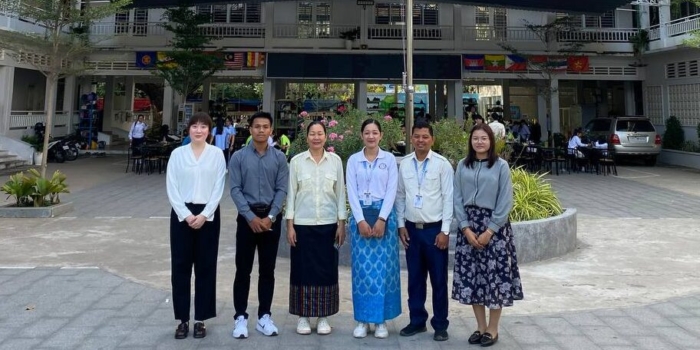
From 17 November to 05 December 2025, I worked as an intern at the International Business Department at ARTEC Co., Ltd. ARTEC is a Japanese company based in Osaka, founded in 1960, that develops and manufactures educational materials, particularly STEAM materials from kindergarten to higher education. The company has more than 30,000 original products distributed to over 70 countries, including Australia, South Korea, Hong Kong, Singapore, France, Spain, Germany, the United Kingdom, and the United States.
 To meet different countries’ needs for affordable and innovative educational materials, particularly in robotics and programming, ARTEC collaborates with government authorities and private sector organizations worldwide, including partners in Indonesia, South Africa, Mexico, Republic Democratic of Congo, and Thailand. These partnerships support the design of teaching and learning materials and provide contextualized in-service teacher training. These characteristics align with my Ph.D. dissertation, “Formative Program Evaluation in In-service Teacher Training in Angola: An Interpretative Phenomenological Analysis”, which aims to identify mechanisms to improve in-service teacher training and increase organizational learning and government effectiveness in education.
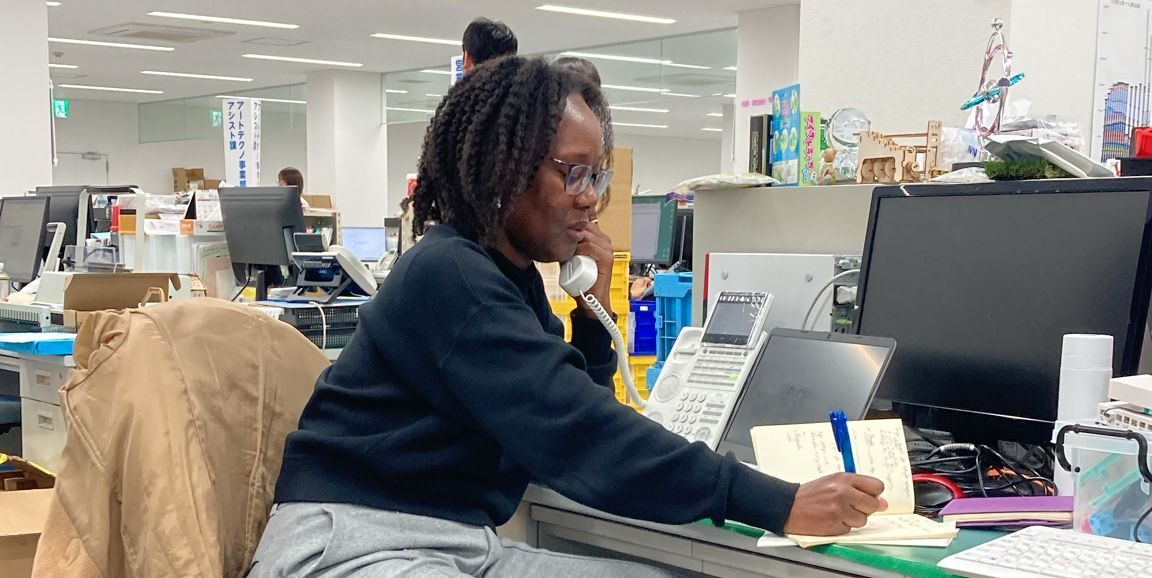
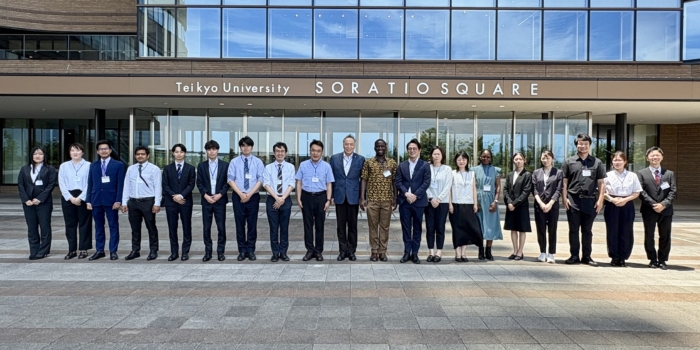
 During the internship, I actively interacted with ARTEC’s teaching and learning materials, particularly hands-on resources such as building and programming robots. I also supported in-service training to 24 Indonesian and Malaysian teachers. Additionally, I researched STEAM implementation in Angola and Mozambique and interacted with public and private organizations from both countries. Regarding Angola and Mozambique, under the guidance of the department leader, I designed contextualized STEAM proposals for country and organizations, facilitated online meetings, and trainings for diverse public and private organizations. As a result, in Mozambique, I discussed a potential partnership with Licungo, a public university in charge of providing STEAM program to more than 1,000 in-service teachers from primary to higher education. In Angola, I engaged with the country’s major telecommunications company and representatives from the Ministry of Education regarding the implementation of STEAM projects. The internship at ARTEC allowed me to identify contextualized mechanisms used to improve in-service teacher training in low and middle-income countries. ARTECs major focus includes the implementation of collaborative and hands-on activities to support teachers STEAM learning, leading to the development of contextualized and easy-to-follow teaching guides, and follow-up activities to adjust plan as needed and strengthen parents and schools understanding on STEAM programs.

Authored by Nadia Bengo (Doctoral Student)
Related